The difference between a solution designed for a market and one designed at it is the difference between compounding and extracting.
Around the world, "investing in Africa" has become a category. Funds, family offices, and corporates list Africa exposure on their pitch decks. Conferences fill rooms. Capital arrives. But a significant portion of that capital is structured to extract more than it builds. It funds African operations designed elsewhere. It hires expatriate management. It exits to acquirers who repatriate the returns. The continent is treated, often unconsciously, as a market to be entered rather than a market to be built with.
There is a different category of capital — smaller, slower, less photogenic — that has been quietly building things that last. It looks for founders who live where the customer lives. It backs companies whose product roadmap is shaped by African user research, not exported templates. It accepts that the early traction will look strange to investors trained on Silicon Valley metrics, because the unit economics of an African market are different. This is what we mean when we say African-centric.
What we look for
When we evaluate a founder application, we are not running a Silicon Valley playbook. We are looking for four things, and they are roughly in order of importance.
Proximity. Where does the founding team live? Where are their customers? Where is the team's primary professional network? Founders building for African markets benefit enormously from being inside those markets — not because remote founders cannot succeed, but because proximity compounds in the early years. The earliest customers, the earliest hires, the earliest investors are usually within a one-degree network. That network is geographic.
Problem specificity. What problem are you solving and how specific is your understanding of it? "We are building a fintech for Africa" is a category, not a thesis. "We are building credit infrastructure for SME merchants in three Nigerian states who currently lose 11% of monthly revenue to cash handling" is a thesis. We back theses.
Early traction. Have you built anything? Has anyone paid you anything? Has anyone given you a technical milestone that signals you can ship? We are flexible on the form of traction but not on its existence. AGLF is catalytic capital, but we are not pre-idea capital. The founders who succeed are usually the ones already building before they apply.
Founder thesis. Why this team, in this market, right now? We want a paragraph that we could not have written for you. Generic ambition is not differentiating. The specificity of your thesis — what you understand about this market that others do not — is the single best predictor of who can execute.
Why catalytic capital matters at this stage
The pre-seed and seed stage is where most credible African founders starve. Series A funds, including African ones, increasingly require traction that is hard to build without earlier capital. Family and friends networks for African founders are usually thinner than for their American counterparts, who can raise $250K from a college roommate's father. The result is that the gap between idea and first institutional check has gotten wider, not narrower, over the past decade. That gap is where we operate.
Catalytic capital, properly deployed, does not just fund a company. It signals to other investors that a third party has done diligence and is willing to put money behind the team. A $50,000 check from AGLF often unlocks the next $250,000 from someone else. We take that signal value seriously.
How the structure compounds
Returns from our founder capital — exits, secondary sales, dividends — flow back into the Founder Fund. They do not flow out to LPs. They do not flow to expatriate fund managers. They recycle into the next founder, and the one after that, in perpetuity. This is what makes the endowment model so well-suited to founder capital specifically: the structural patience matches the actual timeline of company-building.
A founder we back in 2026 may exit in 2034. Those returns may fund a founder who exits in 2042. Those returns may fund a founder who exits in 2050. We are not measuring success by quarterly distributions. We are measuring it by what compounds across founder generations.
If you are building something for an African market — and especially if you are building it from inside that market — we want to hear from you. The application is short, the diligence is honest, and the structure is designed to be on your side.
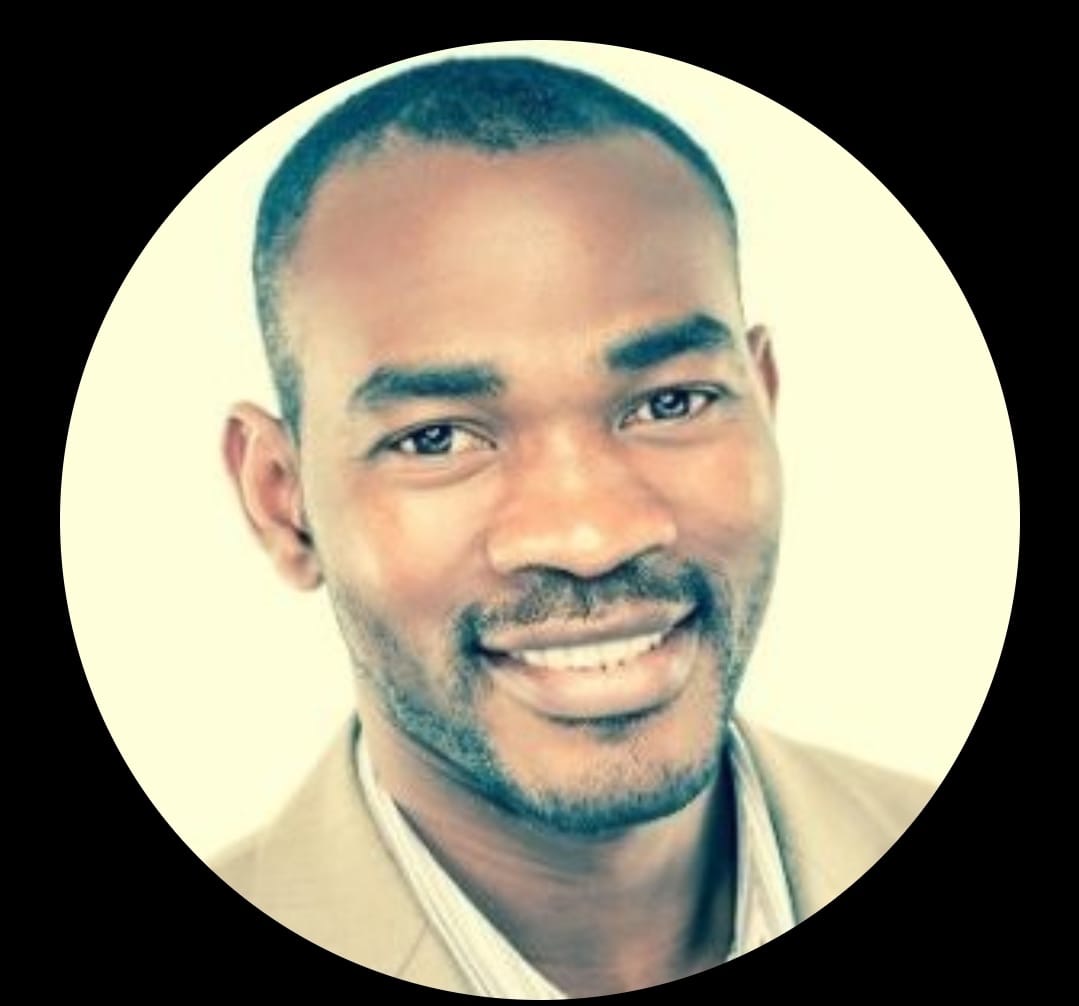
Dimitri Yimga
Chief Financial Officer